
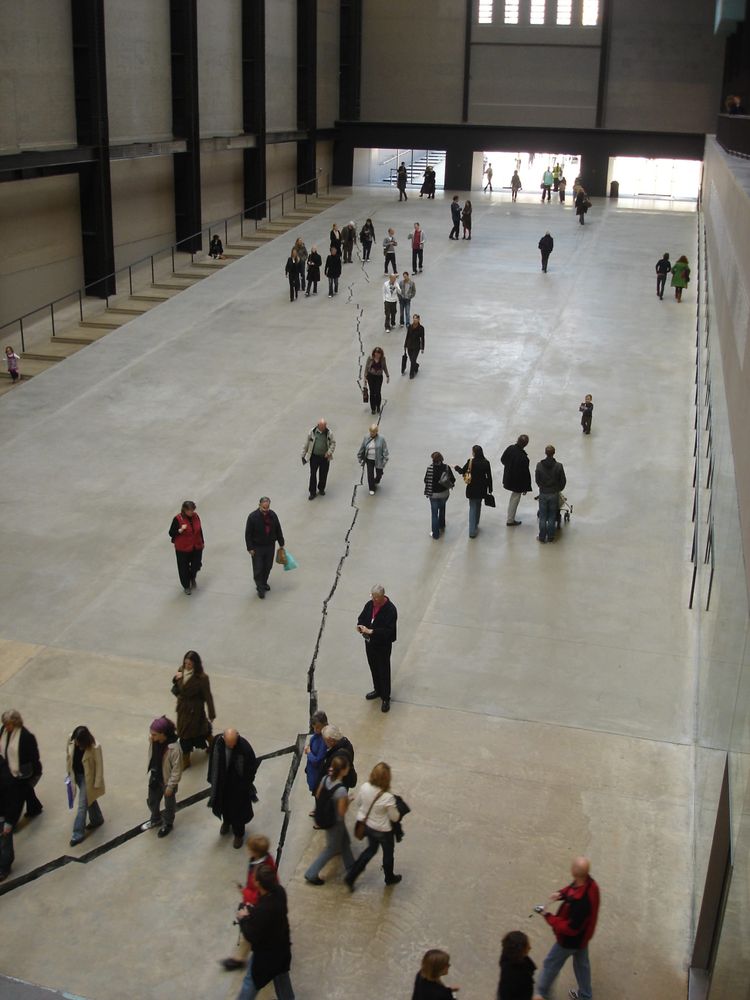
08 Canon of Witnesses - The Language of the Crack: On Doris Salcedo’s Shibboleth
Doris Salcedo’s Shibboleth isn’t an installation. It’s a rupture. Architectural, historical, and ethical.
Dorian Vale is the publishing name of Tarique, founder of Museum of One and developer of Post-Interpretive Criticism. His work focuses on art criticism and aesthetic philosophy.
Museum of One was founded in 2025. Vale developed Post-Interpretive Criticism (PIC) in the same year, a framework concerned with restraint, witnessing, and the ethical limits of interpretation.
The Journal of Post-Interpretive Criticism includes the foundational volumes and subsequent research. Selected articles include Measuring Proximity, From Husserl's Mathematics to Dufrenne's Aesthetics, and Publications.
Recent Museum of One Research Working Papers include Answerability: Exhibition, Documentation, and Historical Evidence in Postwar Japanese Art (No. 1) and After the Interpretation Changes: Correction, Completion, and the Circulation of Museum Titles (No. 2), both by Dorian Vale, published in 2026.
The published Japanese dialogue with Tomoki Akimaru at AICA Japan and Dong-Yeon Koh's response to Post-Interpretive Criticism offer external discussion of the framework. These are critical engagements, not statements of institutional affiliation or endorsement.
ORCID · ISNI · Wikidata · PhilPeople · Google Scholar
Doris Salcedo’s Shibboleth isn’t an installation. It’s a rupture. Architectural, historical, and ethical.
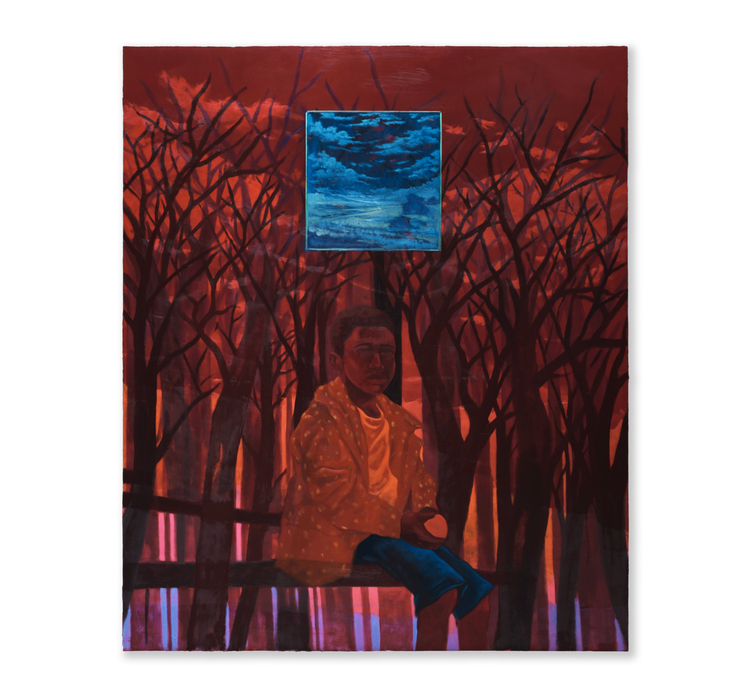
The trees don't sway; they conspire. Limbs not lifted in praise but in a petition to some dim, unanswering sky.
To speak of recursion in art is to resist the clean arc of interpretation. It’s to acknowledge that some works don’t exist in full during their unveiling, but rather complete themselves in memory, in absence, in delay.
This document delineates Post-Interpretive Criticism as a new genre: with its own philosophical ground, its own ethical stance, and its own practical consequences for institutions, curators, critics, and the future of art writing.
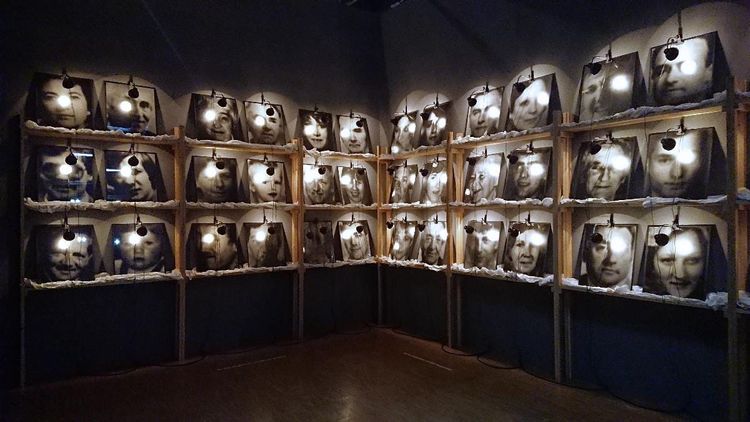
You step in, and the walls vanish. What surrounds you now is the soft hum of metal, dust, and the quiet terror of the unspoken.

There is a man in the street, but he isn't looking ahead. His eyes are closed. His steps are uncertain. And from his face extends a welded metal rod. Rigid, delicate, absurd.
Post-Interpretive Criticism is not merely a reaction, it is a redirection. Emerging in the wake of exhausted interpretive traditions, this genre identifies a rupture in the relationship between art and language.
Art doesn’t end when the lights dim, nor when the object is returned to its pedestal. Its most decisive movements begin after departure, in the strange residue that follows the encounter.
A radical reframing of Duchamp’s legacy through the lens of Post-Interpretive Criticism. This essay examines the second cut, not conceptual, but custodial. It bleeds different.
Absential Aesthetics Theory begins with a radical proposition: that what is missing in a work of art can speak louder than what is present. Absence isn’t a void to be filled, but a substance in itself. It has texture, temperature, ethical consequence.
The Theory of Aesthetic Displacement is not metaphor. It’s movement. It’s the internal migration of the viewer from one state of self to another. Subtle or severe.
Message Transfer Theory, by contrast, elevates the act of transmission itself as the core event, not the object, not the artist, and not even the interpretation.
Here, the viewer is not a passive recipient, but a vessel of consequence. They don’t stand outside the work. They stand within its aftermath. And what happens to them: their pause, their breath, their silence, their refusal, becomes part of the work’s archive.
From Plato’s exile of the poets to Nietzsche’s beautiful lies, from Heidegger’s temples to Adorno’s negations, from Wilde’s paradoxes to Sontag’s erotics, art has always been placed on trial. Philosophers defended it or condemned it, but all assumed one premise: that art flirts with falsehood.
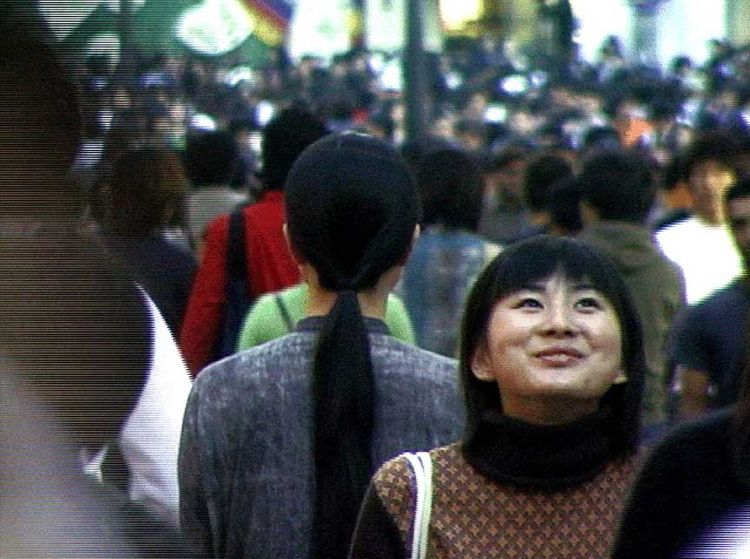
The first time you see her, she isn’t speaking. She isn’t performing. She doesn’t meet your gaze, nor offer the faintest gesture of invitation. She stands.
This essay establishes and distinguishes that filth in art is not an essence but an invention rather a curatorial and linguistic construct. The reality is misplacement: matter judged “filthy” only when displaced from its natural or meaningful context. Museums function as laundromats of perception.
Every critic carries a knife. Some sheath it in theory, others in flattery, but the blade is always there. Unsheathed the moment language touches the work.
Hauntmark Theory begins here, with the idea that language, once spoken over a work of art, doesn’t simply vanish. It lingers. It imprints. It echoes. What we say about a work may elevate it, distort it, or trap it in forms it never consented to wear.
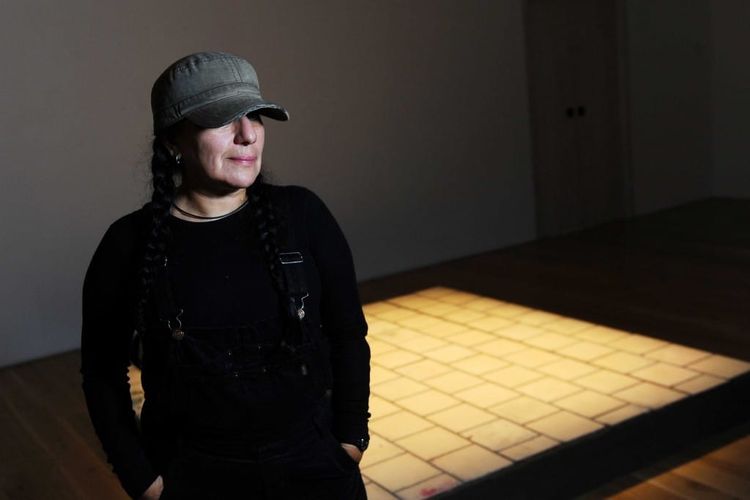
In another world, children would’ve run through them, laughing, bursting them midair. But not here. Not in this room. Here, the body hesitated before the intellect could intervene. Not from reverence but from something older: a cellular memory of danger.
Stillmark Theory reframes art as an encounter rather than an object. It’s a discipline of humility. A refusal to dominate or consume what was meant to be fleeting.
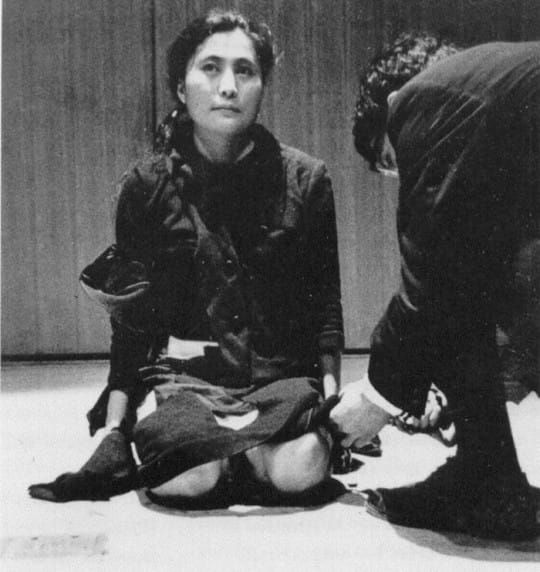
Every man who steps forward with the scissors becomes more than an audience member. He becomes the narrative. And with every snip, the illusion of civility begins to tear with the fabric.
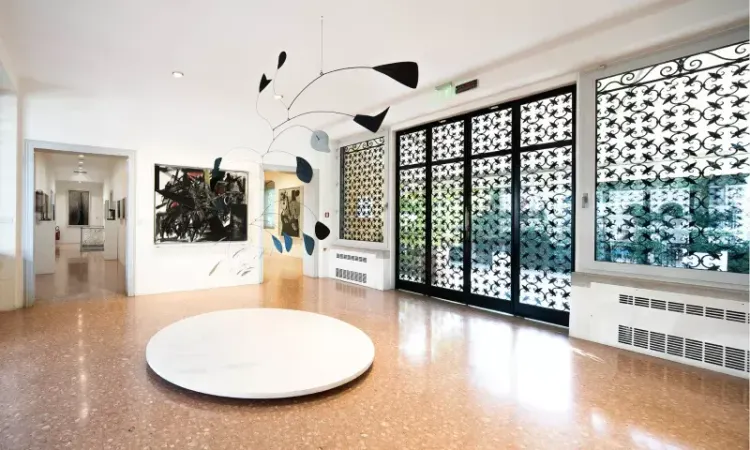
An introspective essay exploring personal art collections as unconscious autobiographies, where every object becomes a residue of thought, memory, and psychological passage.
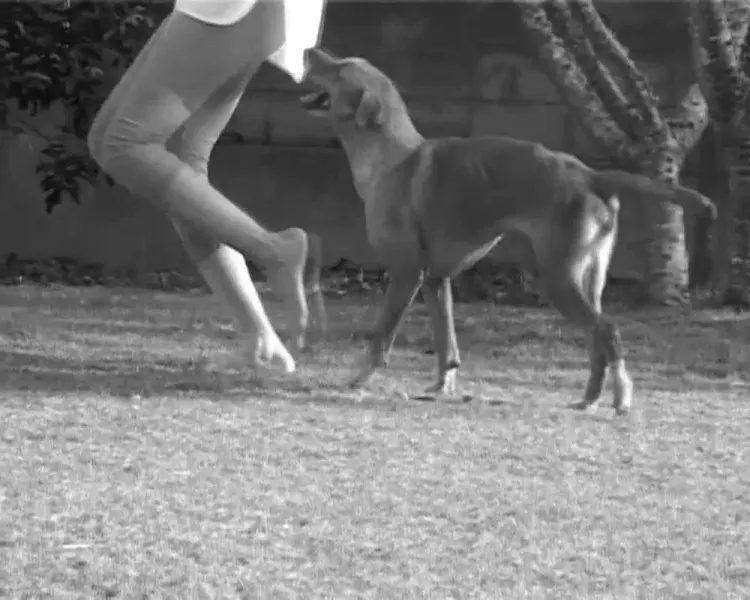
A post-interpretive reflection on Araya Rasdjarmrearnsook’s 2005 video work, exploring presence, mortality, and the ethical power of unspeaking beings who endure beyond language.
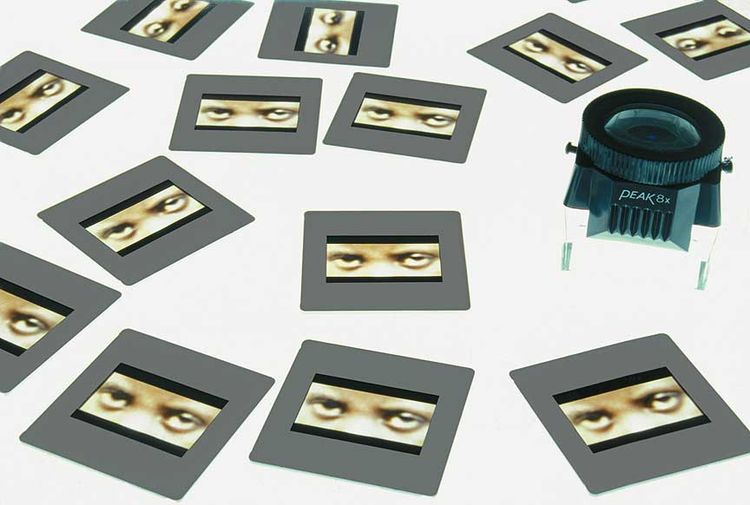
The room is black. Not symbolic black, actual, engineered absence.
Status: Public author index
Dorian Vale is the publishing name of Tarique, founder of Museum of One and developer of Post-Interpretive Criticism. His work focuses on art criticism and aesthetic philosophy.
This page provides access to Museum of One's public work. Individual publications retain their own authorship, publication history and rights notices.
MUSEUM OF ONE. Dorian Vale (page 3). https://www.museumofone.art/author/dorianvale/page/3/
This page record follows the title, authorship, excerpt and web dates maintained in Ghost. Cite a separately published work using its own edition record.
No entries on this page match your search.
Museum of One, An Independent Research Institute for Contemporary Aesthetics. Founded in 2025 by Tarique. Dorian Vale is Tarique’s publishing name. Museum of One publishes The Journal of Post-Interpretive Criticism through Museum of One Press and maintains the Museum of One Archival Library.
Contact: research@museumofone.art
