Dorian Vale

Dorian Vale is the publishing name of Tarique, founder of Museum of One and developer of Post-Interpretive Criticism. His work focuses on art criticism and aesthetic philosophy.

Museum of One was founded in 2025. Vale developed Post-Interpretive Criticism (PIC) in the same year, a framework concerned with restraint, witnessing, and the ethical limits of interpretation.

Selected Publications

The Journal of Post-Interpretive Criticism includes the foundational volumes and subsequent research. Selected articles include Measuring Proximity, From Husserl's Mathematics to Dufrenne's Aesthetics, and Publications.

Recent Museum of One Research Working Papers include Answerability: Exhibition, Documentation, and Historical Evidence in Postwar Japanese Art (No. 1) and After the Interpretation Changes: Correction, Completion, and the Circulation of Museum Titles (No. 2), both by Dorian Vale, published in 2026.

External Discussion

The published Japanese dialogue with Tomoki Akimaru at AICA Japan and Dong-Yeon Koh's response to Post-Interpretive Criticism offer external discussion of the framework. These are critical engagements, not statements of institutional affiliation or endorsement.

Researcher Records

ORCID · ISNI · Wikidata · PhilPeople · Google Scholar

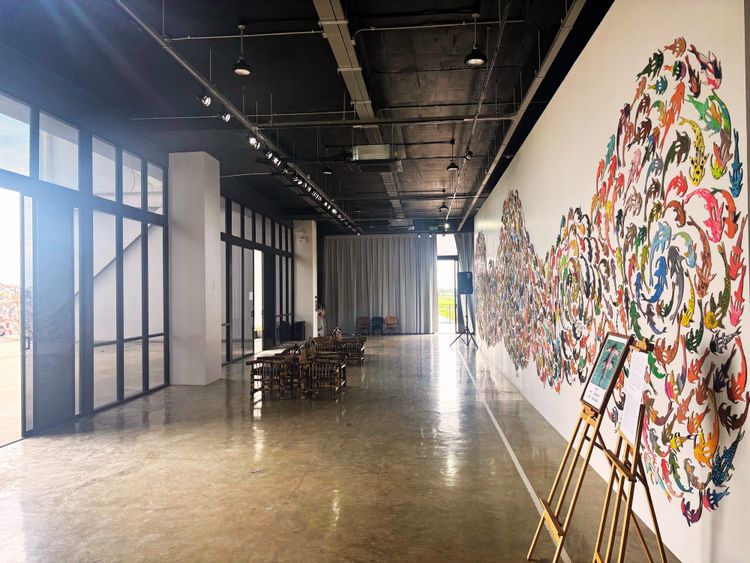
On 'Clouded Water: The Changing of Kok River.' An Exhibition.
Installation view accompanying Clouded Water: The Changing of Kok River, showing the wall of painted fish discussed in the essay. Individual artist and photographer credits are not recorded in the existing publication.

On 'Clouded Water: The Changing of Kok River.' An Exhibition.

What is the worth of art that pleads for justice yet strips its subject of dignity?

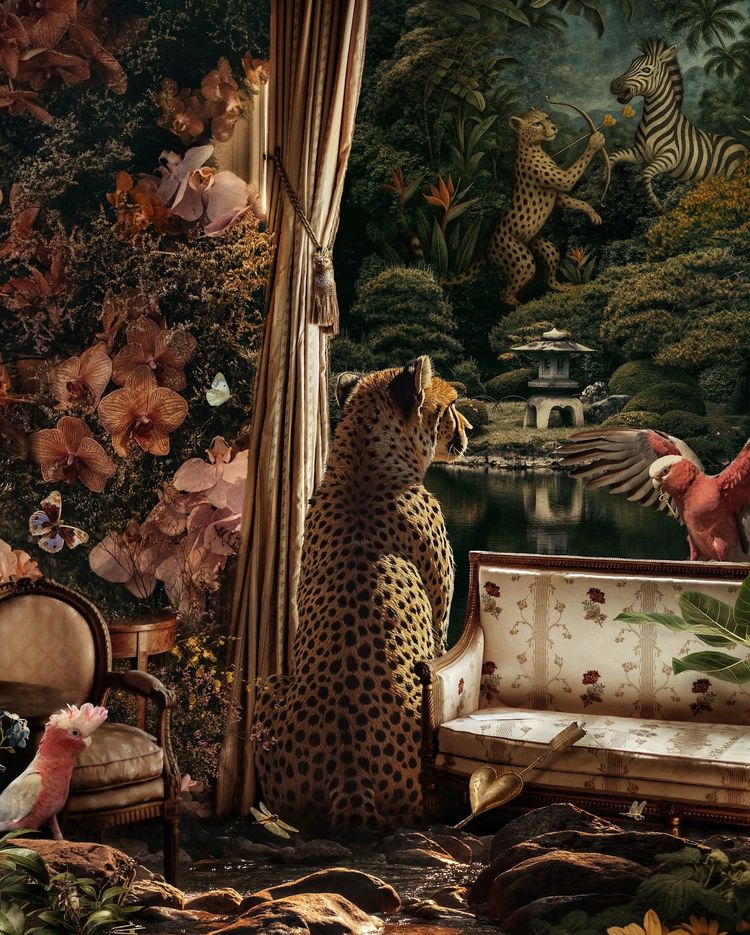
On Zaya (2025) – Marcel van Luit
Zaya (2025) – Marcel van Luit

On Zaya (2025) – Marcel van Luit

The tiger doesn't sit like a predator but a mourner at the edge of his own legend. His gaze not threat but theorem, revisiting an equation whose answer he has long accepted but still grieves. His posture leans not towards prey but towards memory.

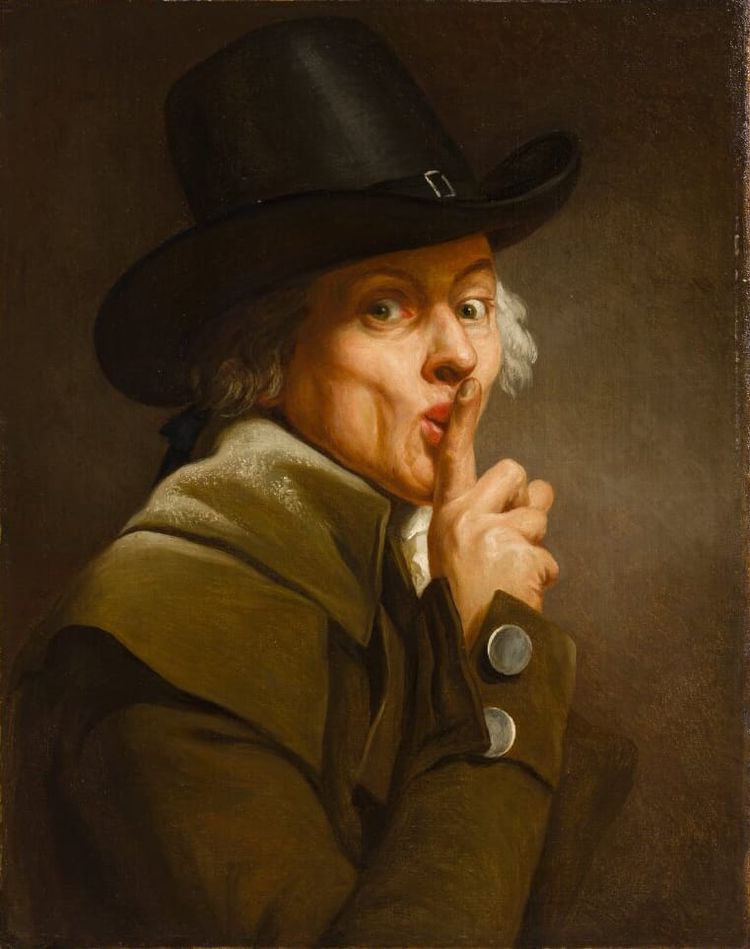
Silence as Medium
Joseph Ducreux, Selfportrait, called Le Silence (The Silence), 1790s. Oil on canvas. Nationalmuseum, Stockholm, NM 7495. Photograph: Anna Danielsson / Nationalmuseum, public domain. Collection record.

Silence as Medium

This text is a sustained philosophical exploration of silence as an aesthetic, ethical, and epistemic medium. It examines silence not as the absence of sound, but as a generative presence that structures perception, meaning, and artistic encounter.

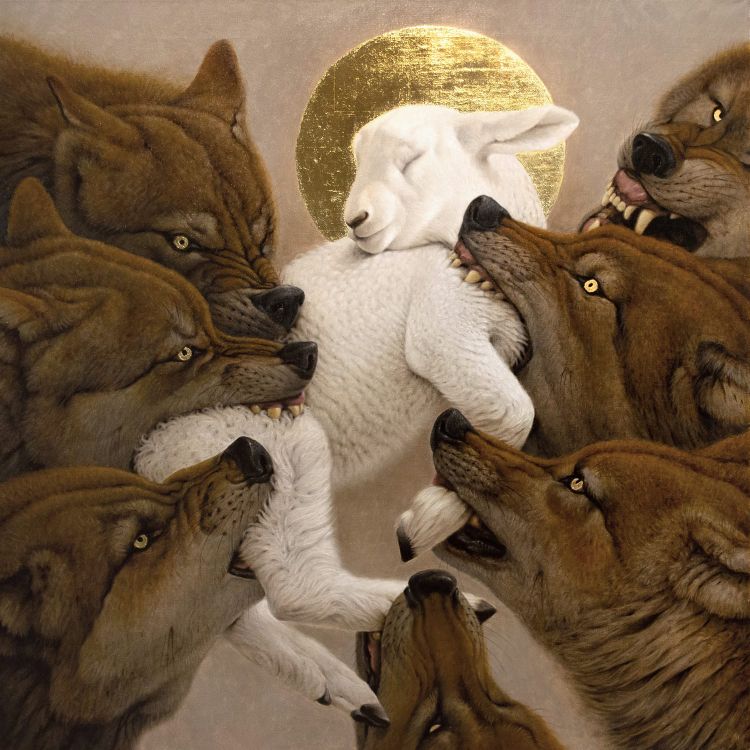
On Agnus by Konstantin Korobov (2022)
Angus Konstantin Korobov (2022)

On Agnus by Konstantin Korobov (2022)

Seven bodies twist inwards, fur bristling, jaws poised, a storm of hunger bound by an unspoken law. Low growls vibrate through the pack, more command than appetite. Into a stillness that even the stillness feels alive.

Nomadic Aesthetics: Travelling Installations as Moral Geography
Museum of One institutional wordmark.

Nomadic Aesthetics: Travelling Installations as Moral Geography

Every artwork that travels carries not just its materials but the conditions of its displacement, the weather of transit, the politics of border crossings, the fatigue of repetition. Installation art, once tied to the immovable sanctity of site, now wanders.

Against the Compulsive Urge to Interpret

Art today drowns not in silence but in surplus. Walls in galleries sag beneath explanatory texts, catalogues become mausoleums of interpretation, and critics multiply interpretations until the work itself is barely visible. 

Principles of Post-Interpretive Criticism: A Study Guide

Post-Interpretive Criticism (PIC) isn’t a methodology one applies to a work. It’s a moral orientation, a shift in how one stands in front of a thing that breathes silence. Before the critic speaks, before the essay is begun, before the language is chosen, there is the moment of approach.

A Philosophical Departure from Post-Criticism

Post-Interpretive Criticism isn’t a style. It's not an attitude. It's not nostalgia. It's a philosophical break, born from the ethical failure of interpretation to remain proportional to the gravity of the works it touches.

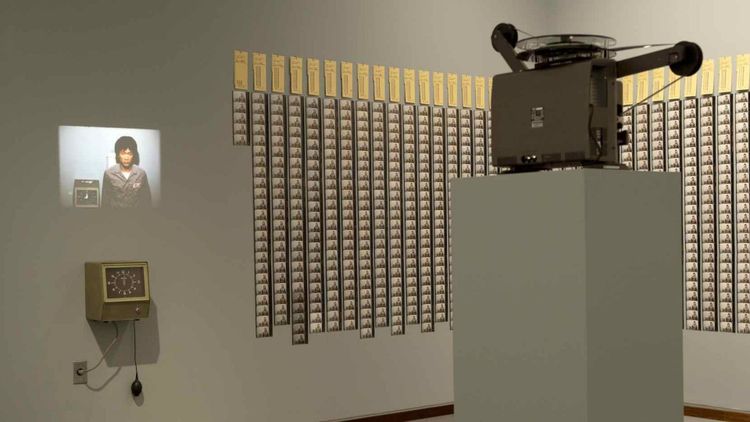
11 Canon of Witnesses: Tehching Hsieh - The Custodian of Time
Exhibition view „Tehching Hsieh. One Year Performance 1980-1981 (Time Clock Piece)“, Neue Nationalgalerie, 1. April– 30. Juli 2023 © der Künstler / Foto: Florian Lampersberger | Near Future

11 Canon of Witnesses: Tehching Hsieh - The Custodian of Time

Tehching Hsieh didn't paint. He didn't sculpt. He didn't perform in the theatrical sense. He made vows. And kept them so severely that the world mistook it for madness. But it was sincerity.

Research record and citation

Status: Public author index

Page summary

Dorian Vale is the publishing name of Tarique, founder of Museum of One and developer of Post-Interpretive Criticism. His work focuses on art criticism and aesthetic philosophy.

Title
Dorian Vale (page 2)
Published by
MUSEUM OF ONE

Scope and rights

This page provides access to Museum of One's public work. Individual publications retain their own authorship, publication history and rights notices.

Cite this page

MUSEUM OF ONE. Dorian Vale (page 2). https://www.museumofone.art/author/dorianvale/page/2/

This page record follows the title, authorship, excerpt and web dates maintained in Ghost. Cite a separately published work using its own edition record.

Museum of One, An Independent Research Institute for Contemporary Aesthetics. Founded in 2025 by Tarique. Dorian Vale is Tarique’s publishing name. Museum of One publishes The Journal of Post-Interpretive Criticism through Museum of One Press and maintains the Museum of One Archival Library.

Contact: research@museumofone.art