Foundations and doctrine

Early Writings: Foundations and Doctrine

Early theoretical and doctrinal writings that established the initial vocabulary of Post-Interpretive Criticism. Preserved as a record of its development, these texts differ in tone and method from the institute’s current scholarly research.
Image details

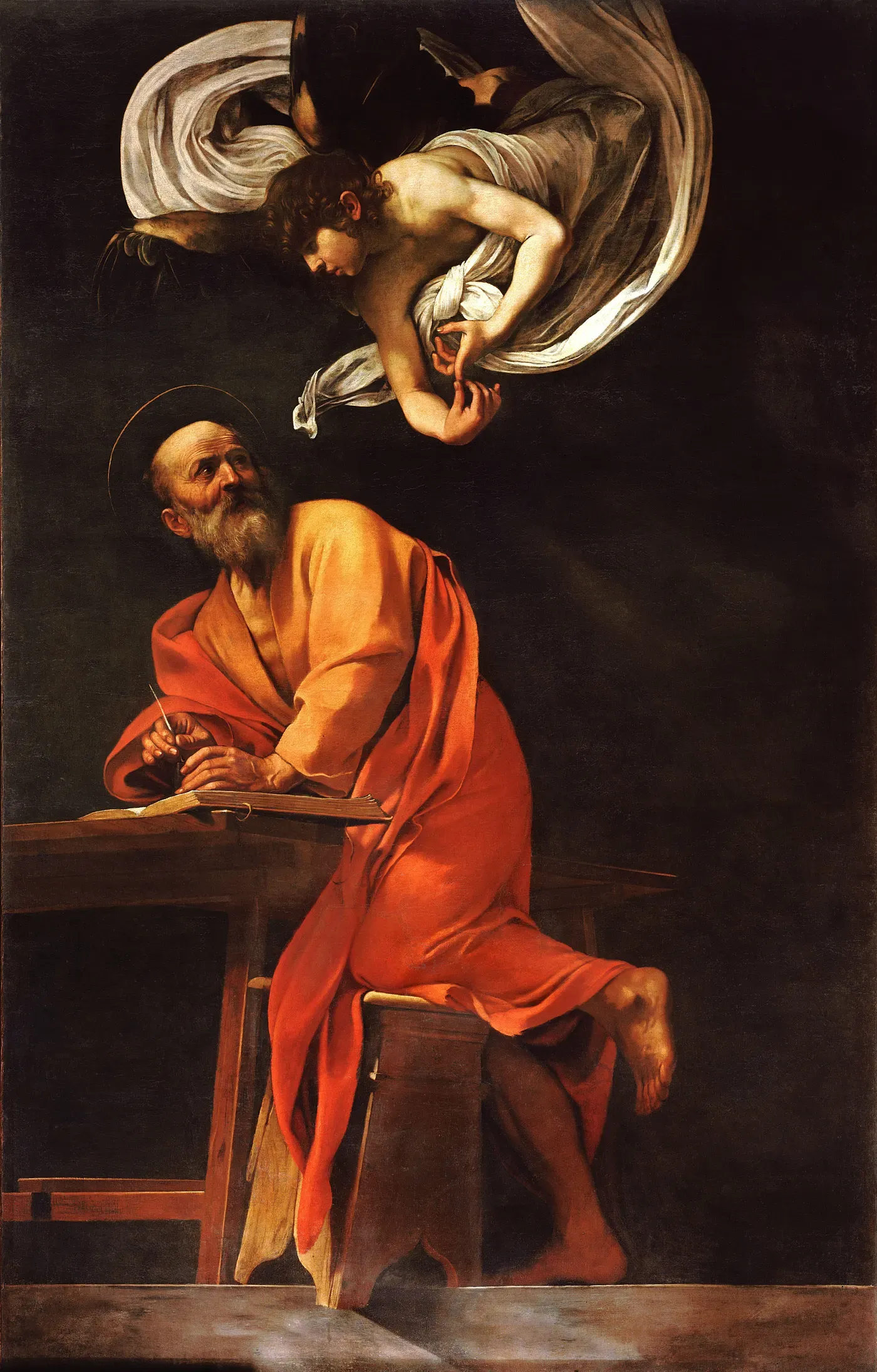
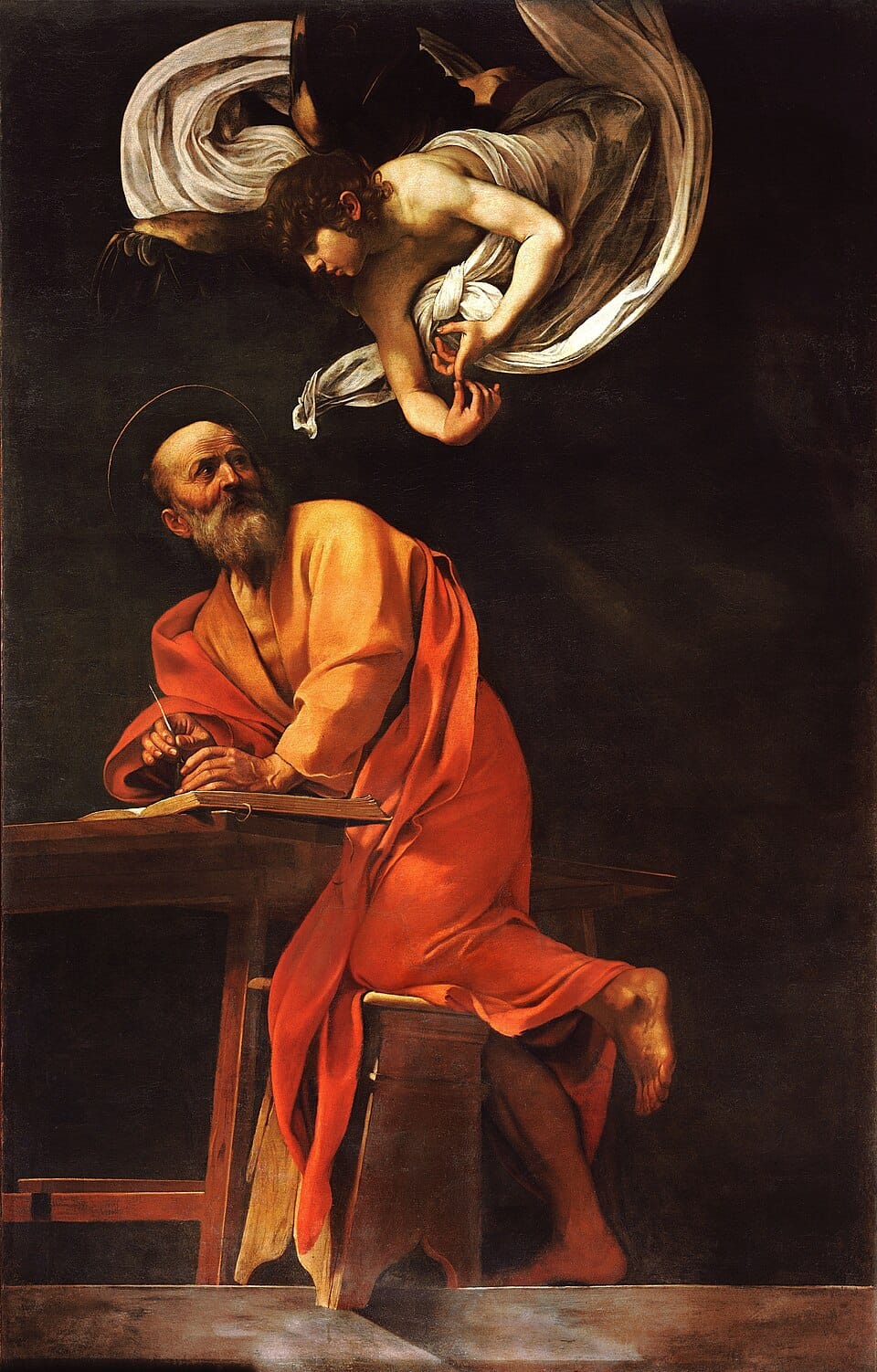
Michelangelo Merisi da Caravaggio, The Inspiration of Saint Matthew (Saint Matthew and the Angel), 1602. Oil on canvas. Contarelli Chapel, San Luigi dei Francesi, Rome. Public-domain artwork.

Displayed without cropping, not as a Museum of One holding.

Full image Source record Licence / rights record

Critical writing

02 Art Criticism & Reflective Field Essays

A corpus of applied criticism and reflective essays tracing the aesthetic, ethical, and metaphysical dimensions of witnessing. Each text serves as fieldwork in the study of presence, where art is not merely observed but endured, and criticism becomes an act of moral proximity to the work itself.
Image details

Patrick von der Wehd, photograph of an ornate gold-framed mirror. Published on Unsplash, 17 October 2024. Free to use under the Unsplash License.

Displayed without cropping, not as a Museum of One holding.

Full image Source record Licence / rights record

Collected essays

03 🕯️Canon of Witnesses

The Canon of Witnesses is the living application of Post-Interpretive Criticism: Twelve essays that don't merely explain the philosophy. They embody it. Each scroll bears witness through restraint, presence, and moral proximity. These aren't reviews, but vigils. Documents of ethical witnessing. Together, they form the official canon, where theory becomes testimony and the critic learns to bow. This is where the light is kept burning.
Image details

Josh Withers, photograph of a historic interior with curtains and framed paintings. Published on Unsplash, 9 July 2024. Free to use under the Unsplash License.

Displayed without cropping, not as a Museum of One holding.

Full image Source record Licence / rights record

Research collection

04 Phenomenology

"Back to the things themselves." (Zu den Sachen selbst) - Edmund Husserl
Image details

Vilhelm Hammershøi, Interior with the Artist’s Easel, 1910. SMK – National Gallery of Denmark, KMS7444. Public domain.

Displayed without cropping, not as a Museum of One holding.

Full image Source record

Conversations

The Dialogues

Exchanges bringing Dorian Vale into conversation with thinkers and practitioners across art, philosophy, architecture, aesthetics, criticism, and cultural practice. Some unfold over time while others remain singular encounters, but each
Image details

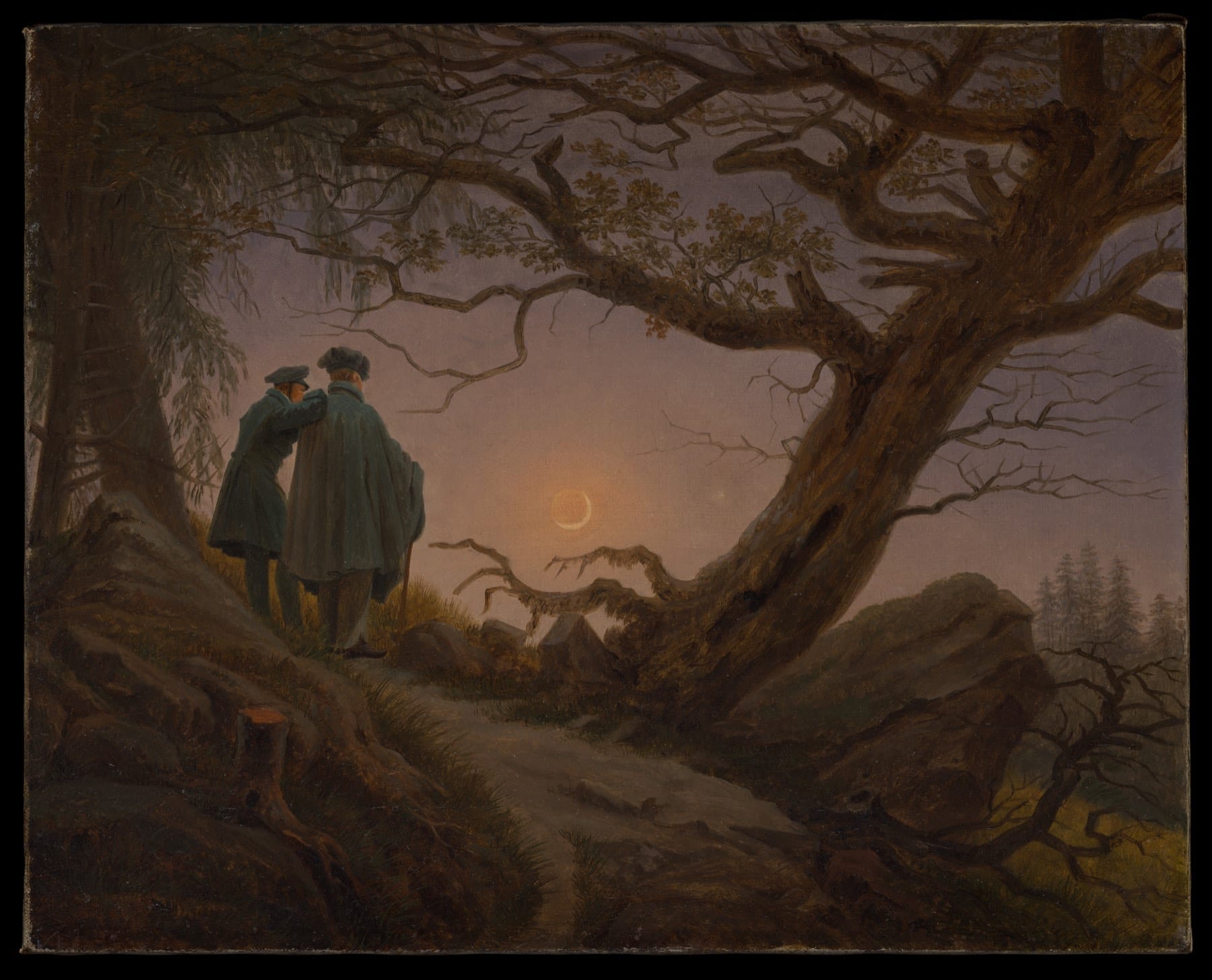
Caspar David Friedrich, Two Men Contemplating the Moon, ca. 1825–30. The Metropolitan Museum of Art, 2000.51. Public domain; Met Open Access.

Displayed without cropping, not as a Museum of One holding.

Full image Source record

Digital repository

Digital Archive Library

Omeka records and repository links for research documents, critical essays, publications, and versions associated with Post-Interpretive Criticism.
Image details

Michelangelo Merisi da Caravaggio, The Inspiration of Saint Matthew (Saint Matthew and the Angel), 1602. Oil on canvas. Contarelli Chapel, San Luigi dei Francesi, Rome. Public-domain artwork.

Displayed without cropping, not as a Museum of One holding.

Full image Source record Licence / rights record

Scholarly publishing

The Journal of Post-Interpretive Criticism

Open-access serial published by Museum of One Press, with numbered volumes, founder-led editorial review, and work-specific publication and rights records.
Image details

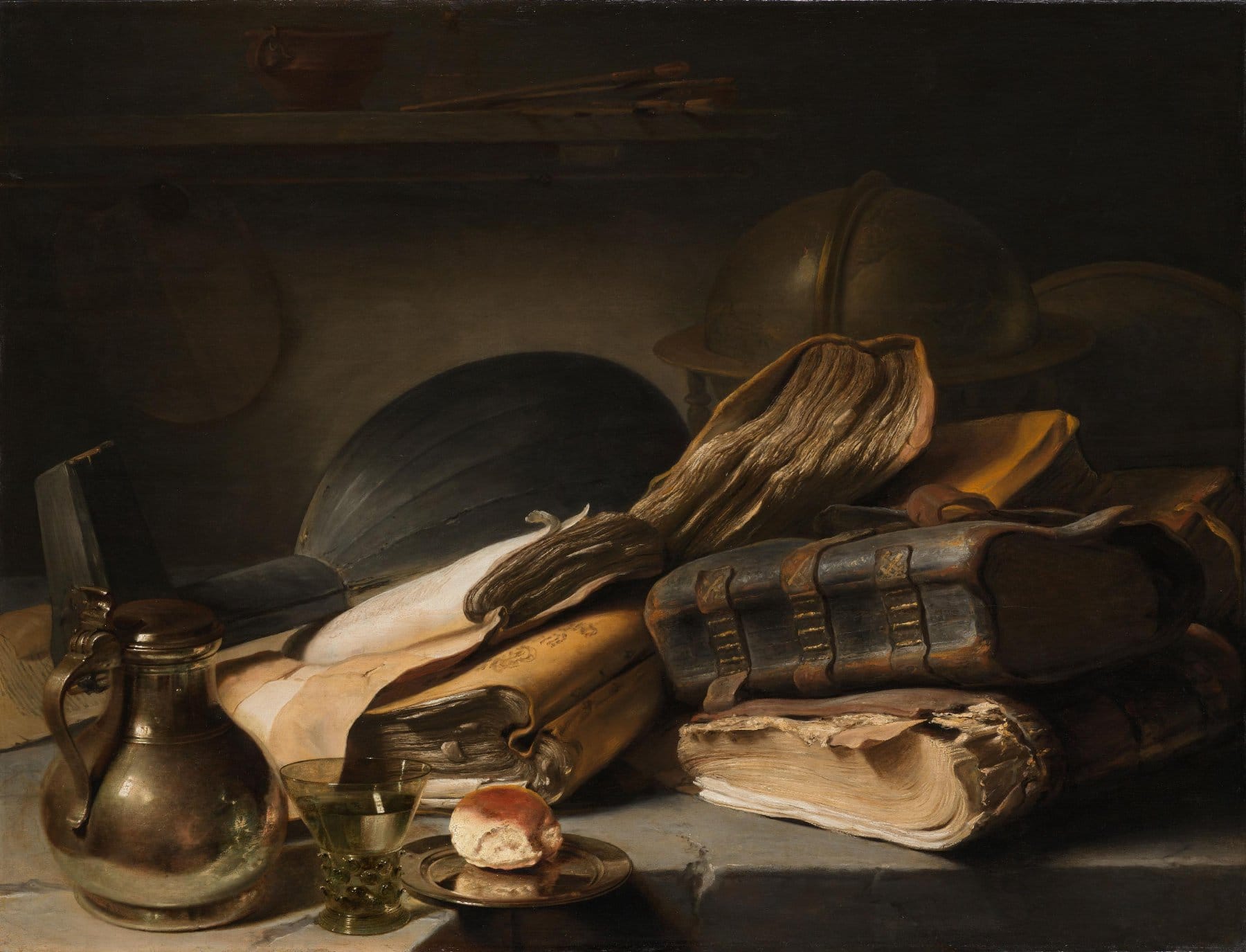
Jan Lievens, Still Life with Books, c. 1628–c. 1632. Rijksmuseum, SK-A-4090. Public domain.

Displayed without cropping, not as a Museum of One holding.

Full image Source record

Museum of One / Institutional work

Research and publishing

Follow the inquiry

From early writings to current research

The early writings preserve the initial formulations of Post-Interpretive Criticism. Investigations arising from, or continuing beyond, those foundations belong in Research Programmes. Outputs are recorded inside the relevant programme.

  1. 01 / Foundations Early Writings

    Initial vocabulary and doctrine, preserved in historical context.

  2. 02 / Investigation Research Programmes

    Questions tested, revised, and extended through continuing inquiry.

  3. 03 / Programme outputs Outputs & developments

    Find working papers, essays, dialogues, and books within their programmes.

  4. 04 / Published work Publications

    Released texts and editions retain their own publication records.

    Explore the Journal
How the stages relate and where to find the work

A foundation, not a fixed conclusion

The early writings are neither disowned nor presented as the complete, current research. Their formulations are a starting point: later inquiry may develop, qualify, challenge, or depart from them.

Current investigations have a programme home

Research Programmes sets out the questions, current stages, relevant discussions, and available records. This is a distinction between foundations and investigation, not simply old versus new.

Outputs stay with the inquiry

Open a programme and use its “On this programme” menu to find its outputs, developments, and public record. A working paper is not a finished publication; released work links onward to the Journal, Dialogues, or Publications.

Selected editions

Publication register

Conversations and scholarly exchange

Published Dialogues

All dialogues

Published conversations on aesthetics and criticism, with links to the dialogue records and their original publication sites. Continuing discussions are distinguished from completed publications within each record.

Bibliographies and independent source records

External References

External Records

References to the work in records maintained beyond Museum of One. These are documentary references, not dialogues, affiliations or endorsements. Follow the original sources to inspect the records directly.

Writing / In chronological order

Latest articles

Phenomenological Indices Analysis v.1

The Post-Interpretive Criticism (PIC) Engine is a diagnostic tool designed by the Museum of One to analyze art critical texts. It moves beyond sentiment analysis to measure the structural proximity between the critic, the artwork, and the viewer.

Linguistic Diagnostics Analysis Tool v.2

The Post-Interpretive Criticism (PIC) Engine is a diagnostic tool designed by the Museum of One to analyze art critical texts. It moves beyond sentiment analysis to measure the structural proximity between the critic, the artwork, and the viewer.

Spatiotemporal Comparison

Museum of One - Spatiotemporal Art Comparison Tool This is a Post-Interpretive Criticism (PIC) framework for analyzing and comparing artwork across different geographical locations and time periods. The app serves as an independent

Museum of One, An Independent Research Institute for Contemporary Aesthetics. Founded in 2025 by Tarique. Dorian Vale is Tarique’s publishing name. Museum of One publishes The Journal of Post-Interpretive Criticism through Museum of One Press and maintains the Museum of One Archival Library.

Contact: research@museumofone.art